Total Protein Wins Every Time: Why the Post-Workout Window Is Overrated
Picture this: You just finished a solid workout at the gym, you're dripping sweat, and someone in the locker room is practically sprinting to their gym bag to crack open a protein shake. They tell you the window is closing. You've got maybe 20 minutes before your muscles stop listening.
Sound familiar? Yeah, we've all been there.
The "anabolic window" — that supposed 30-to-60-minute stretch after exercise when your muscles are primed to soak up protein like a sponge — has been gym gospel for years. Supplement companies built entire product lines around it. Fitness influencers swear by it. But here's the thing: the research doesn't really back it up the way the hype suggests.
Let's break down what the science actually says, and more importantly, what you should be focusing on instead.
Where the Anabolic Window Idea Came From
The concept isn't entirely made up. Early studies on muscle protein synthesis did show elevated rates of muscle repair in the hours following resistance training, and some research suggested that consuming protein shortly after exercise could enhance that process. That's not wrong, exactly — it's just incomplete.
The problem is that a lot of those early studies were conducted under specific conditions: fasted training, very low protein diets, or participants who were untrained. When researchers started looking at people who ate a normal meal a few hours before training, the urgency of the post-workout window basically evaporated.
A landmark meta-analysis published in the Journal of the International Society of Sports Nutrition found that once total daily protein intake was controlled for, nutrient timing had a much smaller effect on muscle growth and strength gains than previously thought. The window isn't a myth in the sense that protein after exercise doesn't do anything — it's a myth in the sense that missing it by an hour or two won't tank your progress.
What Actually Moves the Needle: Daily Protein Totals
Here's the unsexy truth: if you're eating enough protein consistently throughout the day, your muscles are going to have what they need to recover and grow. Full stop.
For most active adults, that means hitting somewhere between 0.7 and 1.0 grams of protein per pound of bodyweight daily. If you're in serious strength training or trying to add significant muscle mass, some research supports going slightly higher — up to 1.2 grams per pound. But the key word in all of this is daily. Not just post-workout. Not just at dinner. Spread out, consistently, day after day.
Think of your muscles like a construction crew. They don't just show up for one dramatic burst of work and call it done. They need a steady supply of materials — amino acids — arriving throughout the day to keep the building process going. Obsessing over the 30-minute window while ignoring what you eat for breakfast, lunch, or dinner is like worrying about the color of the paint while the foundation is crumbling.
The Case for Spreading Protein Throughout the Day
Research on muscle protein synthesis actually points to something called the "muscle full" effect. Your muscles can only use so much protein at one time — roughly 20 to 40 grams per meal, depending on your size and training status. After that, the excess gets oxidized for energy rather than used for repair and growth.
This means pounding a 60-gram protein shake after your workout isn't twice as effective as a 30-gram one. It also means that spreading protein across three to five meals or snacks tends to keep muscle protein synthesis elevated more consistently than loading up at one or two meals.
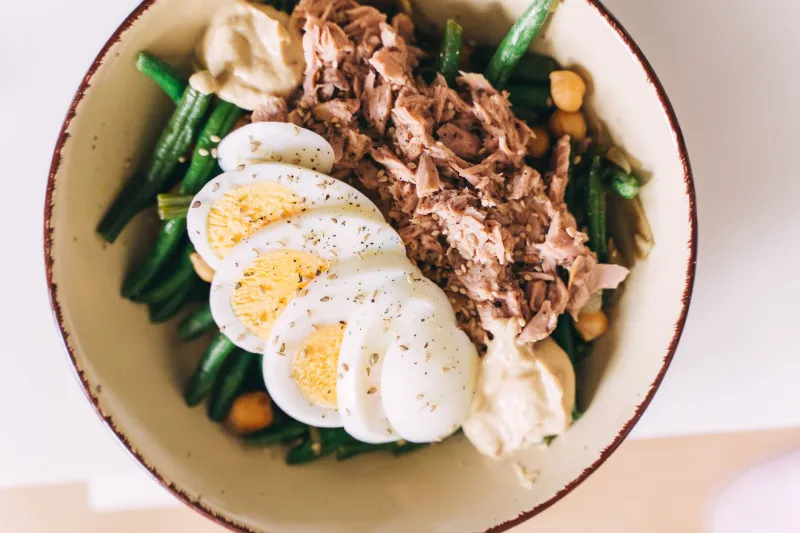
Practical takeaway: aim for a solid protein source at every meal. Eggs and Greek yogurt at breakfast. Grilled chicken or a turkey sandwich at lunch. A handful of cottage cheese or some edamame as an afternoon snack. Salmon or lean beef at dinner. That pattern is going to do far more for your physique than panicking about your post-workout shake timing.
So Does Post-Workout Protein Do Anything?
Yes — but not in the urgent, now-or-never way you've been led to believe.
If you're training in a fasted state (say, a 5 a.m. workout before breakfast), getting protein in relatively soon after your session makes good sense. Your muscles have been running on empty and the sooner you start the recovery process, the better. Same goes if you're going to go four or five hours before your next meal — in that case, a post-workout snack with protein is a smart move.
But if you had a meal with protein two hours before you trained? Your body is still processing and using those amino acids. The window isn't even open yet — it's just not relevant in the same way.
Stop Stressing, Start Eating Consistently
One of the biggest problems with the anabolic window myth is the anxiety it creates. People feel like they've wasted their workout if they don't get protein in fast enough. That stress is genuinely counterproductive — cortisol, the stress hormone, actually interferes with muscle protein synthesis. The irony is real.
At Live Healthy Wellness Centre, we believe that sustainable habits beat perfect habits every time. A nutrition approach you can actually stick to — one that fits your schedule, your lifestyle, and your preferences — is going to produce far better results over months and years than a rigid protocol that stresses you out and falls apart by Thursday.
Focus on these fundamentals:
- Hit your daily protein target. Calculate your goal and work toward it consistently, not just on training days.
- Distribute protein across meals. Aim for at least 20 to 30 grams per meal rather than loading it all into one sitting.
- Eat a pre-workout meal that includes protein. This extends the effective window naturally without any post-workout urgency.
- Have a protein-containing meal or snack within a few hours of training. Not because the clock is ticking, but because eating regularly is just good practice.
- Choose whole food sources when you can. Chicken, fish, eggs, legumes, dairy, and tofu all deliver protein along with a host of other nutrients your body needs.
The Bigger Picture
Nutrition science is constantly evolving, and one of the most important things we can do as active people is stay curious and stay flexible. The protein timing obsession was well-intentioned — it came from a real desire to optimize performance and recovery. But optimization without context can become counterproductive perfectionism.
Your body is remarkably adaptable. It doesn't run on a 30-minute clock. It runs on consistency, adequate nutrition, quality sleep, smart training, and — yes — enough protein every single day.
So next time someone tells you the window is closing, just smile, finish your cool-down, and enjoy your post-workout meal whenever it actually fits into your day. Your muscles will be just fine.