The Desk Job Fitness Playbook: How to Build Real Strength When You Sit for a Living
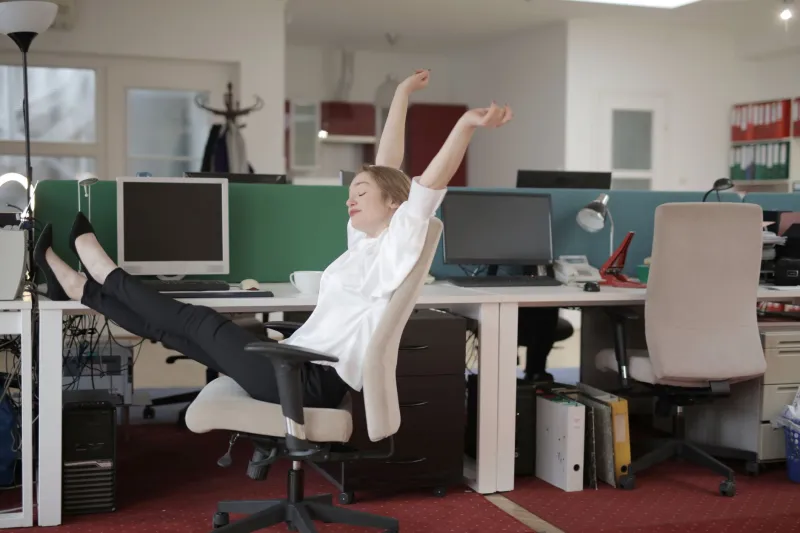
About 80% of American jobs are now classified as sedentary or requiring only light activity. If you're reading this at a desk right now, you're likely in that majority. And if you're also someone who genuinely cares about staying active and feeling good in your body, you've probably already noticed the tension: your career and your fitness goals are working against each other by default.
The good news? You don't have to choose between a paycheck and a healthy body. But you do need a smarter strategy than just "hit the gym after work and hope for the best."
This is a practical playbook for desk dwellers who want to build real, functional strength — not just survive the workday, but actually thrive in their bodies outside of it.
First, Understand What Sitting Is Doing to You
Before you can fix a problem, it helps to understand exactly what you're dealing with. Extended sitting isn't just uncomfortable — it creates a cascade of physical adaptations that work directly against your fitness goals.
Hip flexors shorten and tighten. When your hips are bent at 90 degrees for hours, the hip flexor muscles adapt to that shortened position. Tight hip flexors limit your range of motion in squats and lunges, reduce your stride length when running, and contribute to lower back pain.
Glutes switch off. Sitting essentially deactivates the glutes — your body's largest and most powerful muscle group. This condition even has a clinical nickname: gluteal amnesia. When your glutes aren't firing properly, other muscles (usually the lower back and hamstrings) compensate, which is a recipe for injury.
Thoracic spine stiffens. The middle of your back — the thoracic spine — is designed to rotate and extend. Hours of hunching over a keyboard cause it to lose that mobility. The result shows up as rounded shoulders, neck pain, and limited overhead range of motion.
Core stability erodes. Passive sitting doesn't engage your core the way standing or moving does. Over time, the deep stabilizing muscles of your trunk weaken, which affects everything from your posture to your lifting mechanics.
Knowing this, a truly effective fitness plan for office workers doesn't just add workouts on top of a sedentary day. It specifically targets the damage that sitting causes.
Building Your Desk-Break Movement Protocol
One of the most underused tools available to desk workers is the intentional movement break. Research consistently shows that breaking up prolonged sitting — even briefly — has meaningful benefits for circulation, blood sugar regulation, and musculoskeletal health.
The goal isn't to turn your office into a CrossFit box. It's to interrupt the sitting pattern regularly enough that your body doesn't fully adapt to it.
Try building a simple desk-break routine around these movements:
Every 30–45 minutes, stand up and do one of the following for 60–90 seconds:
-
Hip flexor stretch: Step one foot forward into a lunge position, drop the back knee toward the floor, and gently drive your hips forward. Hold for 20–30 seconds per side. This directly counters hip flexor tightening.
-
Glute squeeze + hip extension: Stand tall, squeeze your glutes firmly, and tuck your pelvis slightly. Hold for five seconds, release, and repeat ten times. Simple, discreet, and genuinely effective for waking up dormant glutes.
-
Thoracic rotation: Sit on the edge of your chair, cross your arms over your chest, and rotate your upper body side to side, leading with your chest rather than your neck. This restores mobility to the thoracic spine without requiring floor space.
-
Wall angels: If you have a private space or aren't worried about looks, stand with your back against a wall and slowly raise your arms overhead in a "snow angel" motion, keeping your lower back, shoulders, and wrists in contact with the wall. This is one of the best exercises for reversing rounded-shoulder posture.
Set a recurring timer on your phone or use a free app like Stand Up! to keep these breaks consistent. Consistency matters far more than intensity here.
Structuring Your Actual Training Around a 9-to-5
Here's where things get practical. If your schedule is genuinely packed, you need a training structure that's efficient, sustainable, and specifically designed to address your desk-job vulnerabilities.
Option 1: Three Full-Body Sessions Per Week
For most desk workers, three 45–60 minute full-body strength sessions per week is the sweet spot. This frequency is enough to build and maintain meaningful muscle mass, recover adequately between sessions, and leave room for life.
Prioritize these movement patterns in your sessions:
- Hip hinge (deadlifts, Romanian deadlifts, kettlebell swings): Directly targets the glutes and posterior chain — exactly what sitting suppresses.
- Vertical and horizontal pulling (rows, pull-ups, lat pulldowns): Counteracts rounded shoulders and strengthens the upper back.
- Goblet squats or Bulgarian split squats: Builds lower body strength while also stretching the hip flexors under load.
- Overhead pressing: Develops shoulder stability and requires thoracic extension — the opposite of what your desk posture does all day.
- Carries (farmer's carries, suitcase carries): Trains core stability in a functional, upright position.
Option 2: Lunch Break Mini-Sessions
If evenings are chaos and mornings aren't realistic, a 20–30 minute lunch break workout is genuinely viable. You don't need a gym — bodyweight circuits, resistance bands, or a set of dumbbells in the car can cover a surprising amount of ground. Focus on one or two movement patterns per session and rotate through the week.
Option 3: Hybrid Scheduling
Two longer weekend sessions plus one short weekday session works well for people with unpredictable work weeks. Just make sure one of those longer sessions includes dedicated mobility work for the hips, thoracic spine, and shoulders.
The Nutrition Angle (Because It's Inseparable)
Building strength while sitting most of the day also means being thoughtful about how you fuel. Office environments are notorious for energy crashes, vending machine temptations, and the all-too-common 3 p.m. sugar spiral.
A few principles that work well for desk-job athletes:
Prioritize protein at every meal. Muscle synthesis requires adequate protein intake — typically around 0.7 to 1 gram per pound of body weight daily. Spreading this across meals (rather than loading it all at dinner) supports better muscle protein synthesis throughout the day.
Don't skip lunch. It sounds obvious, but a depressing number of office workers eat at their desks, eat poorly, or skip lunch entirely. A proper midday meal stabilizes energy levels, reduces afternoon cravings, and fuels any lunchtime movement you squeeze in.
Hydration is non-negotiable. Even mild dehydration impairs cognitive function and physical performance. Keep a large water bottle at your desk and refill it at least twice during the workday.
The Bigger Picture
Fitness for desk workers isn't about overcoming your job — it's about building a lifestyle that accounts for the realities of modern work. The people who succeed long-term aren't the ones who punish themselves with brutal workouts to compensate for sitting. They're the ones who build smart, consistent habits that thread through their actual lives.
Move better in the small moments. Train with intention in the bigger ones. And recognize that a resilient body isn't built despite your daily routine — it's built within it.