Spending $200 a Month on Supplements? Here's What Science Says You Actually Need
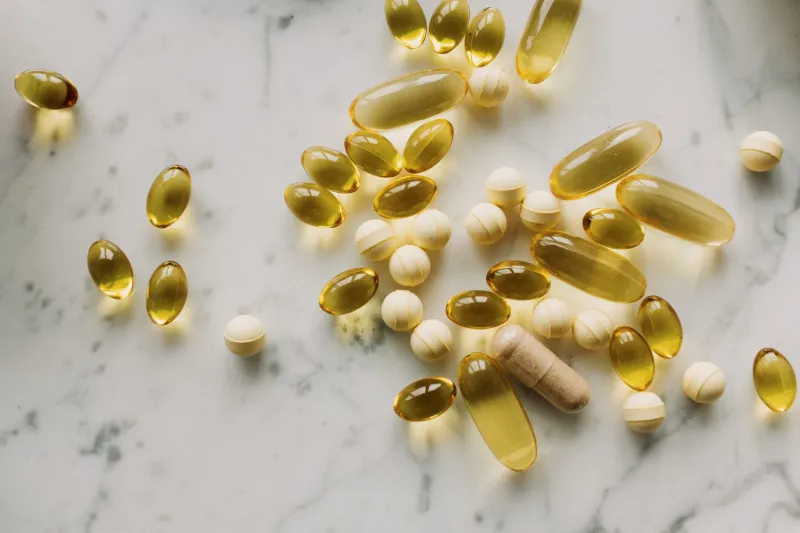
Walk into any GNC, scroll through Amazon, or spend five minutes on a fitness influencer's page and you'll be hit with the same message: if you're not supplementing, you're leaving gains on the table. Pre-workout, BCAAs, glutamine, collagen peptides, fat burners, testosterone boosters — the list is endless, and so are the promises.
But here's the uncomfortable truth most supplement companies don't want you to sit with: the clinical evidence behind the majority of these products is thin, cherry-picked, or outright manufactured. That doesn't mean all supplements are snake oil. A handful genuinely move the needle. The problem is that the few that work have gotten buried under an avalanche of products that mostly just move money from your wallet into a marketing budget.
Let's sort through it.
How the Supplement Industry Sells You on Science Without Actually Using It
The FDA doesn't require supplement manufacturers to prove their products are effective before putting them on shelves. Unlike pharmaceutical drugs, supplements only need to demonstrate they're not actively harmful — and even that bar is enforced loosely. What this means in practice is that a company can slap "clinically studied ingredients" on a label and technically be telling the truth, even if the study in question involved 12 people, was funded by the manufacturer, and was never peer-reviewed.
Look for phrases like "supports muscle recovery" or "promotes fat metabolism" on any label. These are called structure/function claims, and they're deliberately vague because they don't require FDA approval. A supplement can "support" your immune system without any evidence it actually does anything meaningful for it.
This isn't cynicism — it's just how the regulatory landscape works. And once you understand it, you'll start reading labels very differently.
The Supplements With Genuine Evidence Behind Them
Not everything is a scam. A few supplements have earned their place through consistent, independent research with real populations doing real exercise.
Creatine monohydrate is the most well-studied performance supplement in existence. Decades of research confirm it increases phosphocreatine availability in muscle tissue, which directly supports short-burst, high-intensity output — think weightlifting, sprinting, and HIIT. It's cheap, widely available, and has a safety record that's hard to argue with. If you're doing any kind of resistance training and you're not using creatine, you're genuinely leaving something on the table.
Caffeine is another one that holds up. It improves endurance, reduces perceived effort, and sharpens focus. Most people already consume it in coffee form, which works just as well as the capsule version you'd find in a pre-workout — without the $45 price tag or the mystery ingredient list that comes with it.
Vitamin D deserves a mention, especially for people living in northern states or working indoors most of the day. Deficiency is widespread in the US, and low vitamin D levels are associated with reduced muscle function and increased injury risk. This is one case where supplementing often makes sense, but it should be based on a blood test, not a guess.
Omega-3 fatty acids (EPA and DHA, specifically) have solid evidence for reducing exercise-induced inflammation and supporting joint health over time. Fish oil or algae-based omega-3s are a reasonable addition for most active people, particularly those not eating fatty fish regularly.
That's a pretty short list. And that's kind of the point.
The Big Wastes of Money
BCAAs (Branched-Chain Amino Acids) are one of the supplement industry's most successful marketing stories. The pitch is that leucine, isoleucine, and valine — three essential amino acids — trigger muscle protein synthesis and prevent breakdown during training. What the ads conveniently omit is that BCAAs only work if you're not already eating enough total protein. If you're hitting your daily protein targets through food or a basic protein powder, BCAAs are entirely redundant. You're essentially paying premium prices for something you're already getting.
Glutamine follows a similar pattern. It's marketed heavily for recovery and gut health, but research consistently shows that supplemental glutamine doesn't improve recovery in people eating adequate protein. Your body makes plenty of it on its own.
Fat burners are perhaps the most egregious category. These products typically contain caffeine, green tea extract, and a blend of trademarked proprietary formulas that sound impressive and do very little. The caffeine might give you a slight metabolic bump — but you could get the same effect from a cup of coffee for 25 cents.
Testosterone boosters marketed to men are largely unregulated and undersupported by evidence. Some contain ingredients that have been flagged for contamination or adulteration. If you have legitimate concerns about hormone levels, a conversation with your doctor and a blood panel is the move — not a product with a skull on the label.
What About Protein Powder?
Protein powder occupies a weird middle ground. It's not a supplement in the traditional sense — it's just a food source. Whey, casein, pea, and rice protein all deliver what they promise: protein. If you're struggling to hit your daily protein intake through whole foods, a shake is a convenient and cost-effective solution.
The issue is that many protein products are loaded with additives, artificial sweeteners, and proprietary blends that inflate the price without adding value. A basic, unflavored whey or plant-based protein with a short ingredient list does the job just as well as anything with a celebrity on the packaging. Check the label for actual protein content per serving — some products have surprisingly low amounts once you account for fillers.
A Framework for Evaluating Any Supplement
Before you add anything new to your stack, run it through these questions:
- Is there independent research? Look for studies not funded by the manufacturer, published in peer-reviewed journals, with sample sizes larger than a few dozen people.
- Does the claimed mechanism make biological sense? If the explanation involves vague terms like "activating your metabolism" without a clear physiological pathway, be skeptical.
- Is there a cheaper way to get the same thing? Caffeine from coffee, protein from food, vitamin D from sunlight — the basic version often works just as well.
- Are you addressing the basics first? No supplement compensates for poor sleep, inconsistent training, or a diet that's not supporting your goals. These fundamentals matter far more than anything you'll find in a bottle.
The Bottom Line
The supplement industry is brilliant at making you feel like you're one product away from a breakthrough. The reality is that the gap between where you are and where you want to be is almost never closed by a pill. It's closed by consistency, good food, quality sleep, and smart training.
For most active people, creatine, vitamin D (if you're deficient), omega-3s, and a basic protein source if needed — that's a complete, evidence-supported supplement strategy. Everything else is worth serious scrutiny before you spend another dollar on it.
Your wallet — and probably your health — will thank you for the skepticism.